Paperex South India 2026 provides a platform for companies to showcase their paper products, manufacturing technologies and industrial solutions to a targeted audience. But an exhibition is not only about showing products and giving out brochures. Companies need a good presentation strategy in place to communicate their strengths, show the product value and build meaningful interactions with visitors. Everything from product categorization and live demonstrations to stand design and digital displays should work together to create a professional brand experience that your customers will remember.
Paperex South India 2026: Importance of Product Presentation
For companies in the paper and manufacturing industry, the way they present their products has a direct impact on how potential customers perceive their capabilities. Visitors to industrial exhibitions are often paper mills, packaging manufacturers, printing companies, distributors, procurement teams and technology providers. These professionals typically look for practical information on product quality, production efficiency, pricing considerations, technical specifications and long-term reliability.
If an exhibition space is cluttered or a product display lacks structure, visitors might have trouble understanding what a company is offering. Instead, manufacturers should structure their presentation around specific product categories and customer requirements. Paper grades, specialty papers, packaging materials, pulp processing technologies, converting machinery and manufacturing equipment are clearly defined sections.
This way visitors can find the right solutions faster and sales representatives can communicate more efficiently. A well-organized presentation also gives a professional impression and shows that the company knows its products, the demands of the industry and its target audience.
Organizing Paper Goods into Clear Display Categories
One of the best ways to display paper products is through organized product sections that are visually different from one another. For manufacturers with many paper grades or specialty materials, don’t show everything at once with no clear structure.
Alternatively, products can be grouped by application, manufacturing process, material characteristics or target industry. Packaging papers could be displayed separately from writing and printing papers, for example, with specialty papers, coated materials, kraft papers and recycled paper products having their own presentation areas.
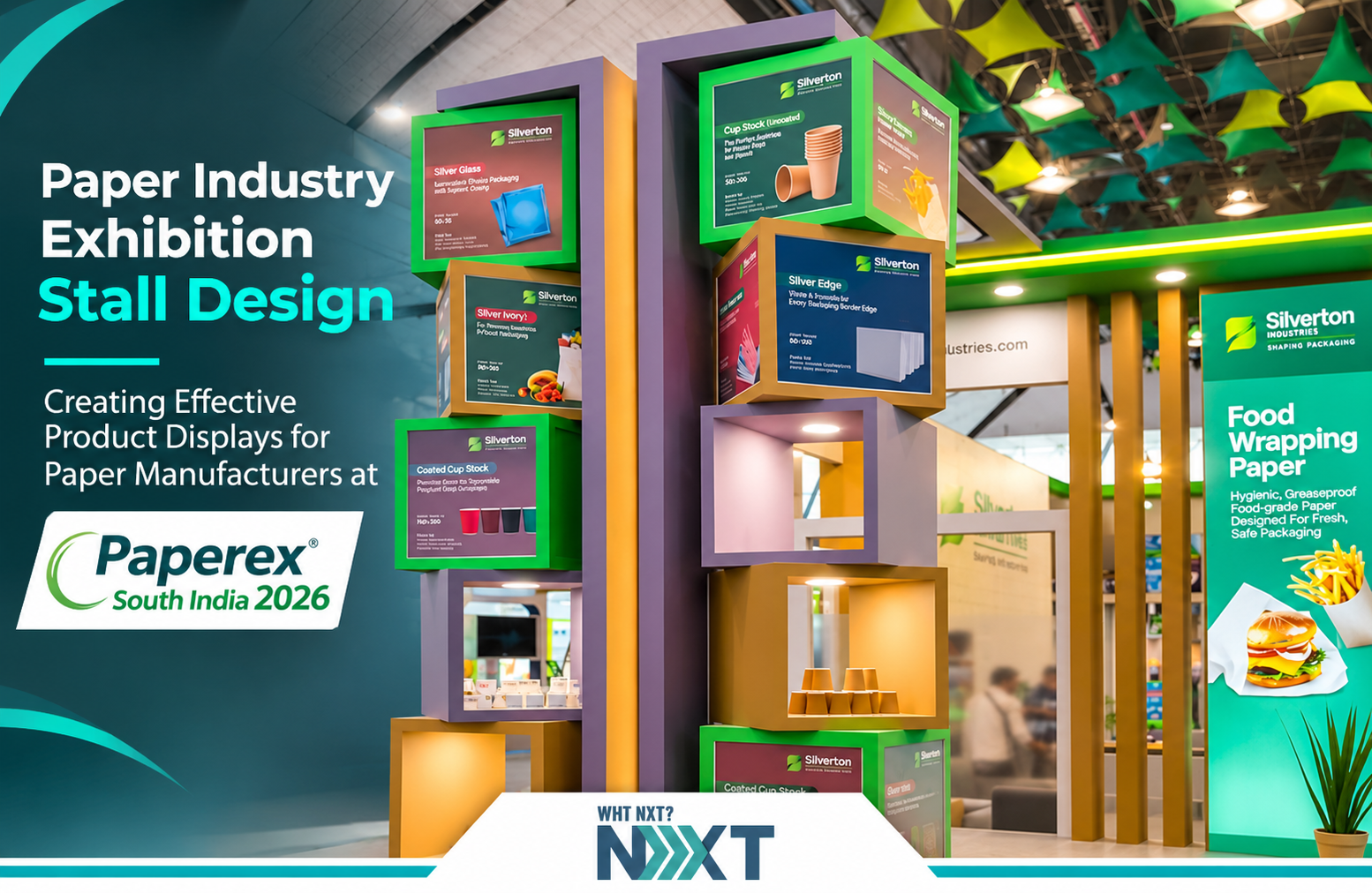
All categories should have physical product samples that visitors can view. Showing different paper textures, thicknesses, finishes and qualities can help potential buyers understand the differences between product variants. Small information panels can provide important details such as GSM, strength, surface finish, recyclability and intended applications.
Showing the scope of specifications on offer is just as important for manufacturers offering tailored paper solutions. The company showcases its ability to tailor products to meet diverse industrial needs, thereby establishing itself as a solutions-oriented manufacturer rather than simply a product supplier.
Showcasing Manufacturing Machinery and Production Capability
Industrial shows attract large crowds with their manufacturing technology. Paper-making machinery, converting equipment, processing systems, automation technologies and production components suppliers should concentrate on showing how their solutions improve manufacturing operations.
Exhibitors can show what they can do, not just with photographs or technical brochures but with scale models of machinery, examples of working equipment, displays of components and digital demonstrations. These exhibits demonstrate to visitors how the machines work independently, and how the different stages of production are interlinked.
The manufacturers should focus on the tangible benefits such as faster production, lesser wastage of material, consistent product quality, energy efficiency and reduced operational downtime. These advantages are of particular importance to procurement managers and factory decision-makers who assess equipment in terms of its contribution to overall manufacturing performance.
Where live demonstrations are possible, exhibitors should schedule them at fixed times. A short demonstration of the operation of a machine or the advantages of a processing technology can attract interest and encourage technical debate. For bigger machinery that cannot be brought to the exhibition physically, quality videos and interactive presentations can be used to convey its operation well.
How Exhibition Stand Design Can Boost Brand Communication
The exhibition stand is the first interaction between a company and potential customers. The design should incorporate the brand’s identity, manufacturing capabilities and product positioning without overloading visitors with unnecessary visual elements.
The Stand for companies participating in Paperex South India 2026 must be designed as per the products & solutions being presented. A machinery manufacturer may need dedicated space for equipment models and technical demonstrations, whilst a paper producer may require organized product display counters, sample racks and consultation areas.
A good exhibition layout will have visible branding, a recognizable reception area, organized product displays and enough room for business discussions. Also, there should be careful consideration on the positioning of important products so that visitors can walk through displays without causing congestion.
Lighting is important for showing the texture of paper, the finish on a product, the parts of a machine, and the panels on a display. Neutral lighting can keep product appearance accurate, while focused lighting can highlight key exhibits. The overall design should take into account both visual appeal and practical requirements like accessibility, storage, electrical connections and visitor flow.
A professionally designed stand also offers companies the opportunity to communicate their positioning. If the company is specialized in sustainable paper production, modern processing machines, packaging materials or industrial automation, the exhibition surroundings should emphasize the message.
Incorporating Digital Displays and Technical Presentations
Complex manufacturing solutions can be made easier to understand through digital communication. The paper manufacturing process has a lot of processes, technical specifications, and operational stages that are not easy to show with static displays.
Big LED screens, digital signage, interactive displays, and presentation monitors can be used by exhibitors to effectively communicate these details. Videos of the process of manufacturing can show how raw materials become finished paper products . Animated technical presentations can explain how machines work and how production processes are organized .
Firms can also use digital catalogs to demonstrate product specifications, certifications, manufacturing capabilities and details of applications. They provide this information to visitors by attaching QR codes to physical displays, eliminating the need for too much printed material.
For businesses launching new technologies or specialist products, digital demos are a way of communicating features that cannot be physically demonstrated at the exhibition. They also help sales teams have a consistent message on products throughout the event.
Putting the Spotlight on Sustainability and Responsible Manufacturing
Sustainability is now a major focus throughout the paper and packaging industry. Increasingly, manufacturers are expected to show responsible sourcing, efficient resource use, waste reduction and environmentally conscious production practices.
Sustainability needs to be an identifiable part of an exhibitor’s product presentation, not a secondary marketing message. Companies that offer recycled paper, recyclable packaging materials, alternative fibers, energy efficient machinery and resource-saving manufacturing technologies should detail the practical benefits of their solutions.
Samples of physical products may vary in recycled content, material quality, and product applications. Informational displays can communicate relevant certifications, sustainability initiatives, and manufacturing improvements, as long as the claims are supported by verifiable information.
Manufacturers should also clarify how their solutions help customers achieve their own operational and environmental objectives. For example, machinery that cuts down on production waste or paper products designed to meet specific recyclable packaging needs can deliver tangible value to industrial buyers.
Building Meaningful Visitor Engagement and Business Opportunities
You can get visitors to your booth, but that’s just the first step. What we really want to do is convert interactions into valuable business relationships, inquiries and potential partnerships.
Companies must train their exhibition teams to communicate technical information clearly and discover visitors’ needs. Sales representatives should be knowledgeable about the products on display, their applications, available specifications and the problems they solve.
Spaces set aside for discussion can provide a more relaxed setting for deeper business conversations. Manufacturers can also organize product presentations for distributors, procurement teams, machinery buyers and existing customers.
Lead collection should be part of the exhibit strategy. With QR-enquiry forms, digital business cards and structured visitor registration companies can capture the relevant information. By recording the interests of visitors, their product requirements and when they intend to buy, follow-ups after the exhibition will be more effective.
An equally important clear process follow up. Enterprises should sort out inquiries according to their potential, exchange requested technical documents and arrange further discussions after the exhibition. So the effort you put in to attend the exhibition will continue to pay dividends long after the event is over.
Plan Your Exhibition Stand Around Paperex South India 2026 Dates
Preparing for a successful exhibition participation starts long before the event kicks off. Companies can plan their exhibition requirements and create a timeline for stand design, fabrication, product transportation, technical arrangements and marketing activities based on the official Paperex South India 2026 dates.
The planning process should start with the definition of the main exhibition aims and the analysis of which products or manufacturing solutions deserve the greatest visibility. After the product selection, the businesses are able to identify the layout of the stand, display structures, storage facilities, lighting and digital equipment needed.
Early planning also makes sure that there is enough time to consult with exhibition organizers, finalize branding materials, arrange for the transportation of machinery and prepare the team who will be responsible for managing the stand. Last-minute arrangements can create unnecessary operational challenges, particularly when exhibitors require specialized structures or equipment installations.
Companies should also prepare promotional materials and digital communication campaigns ahead of the event. You can generate interest before the exhibition begins by announcing that you will be there, displaying featured products and inviting potential customers to your stand.
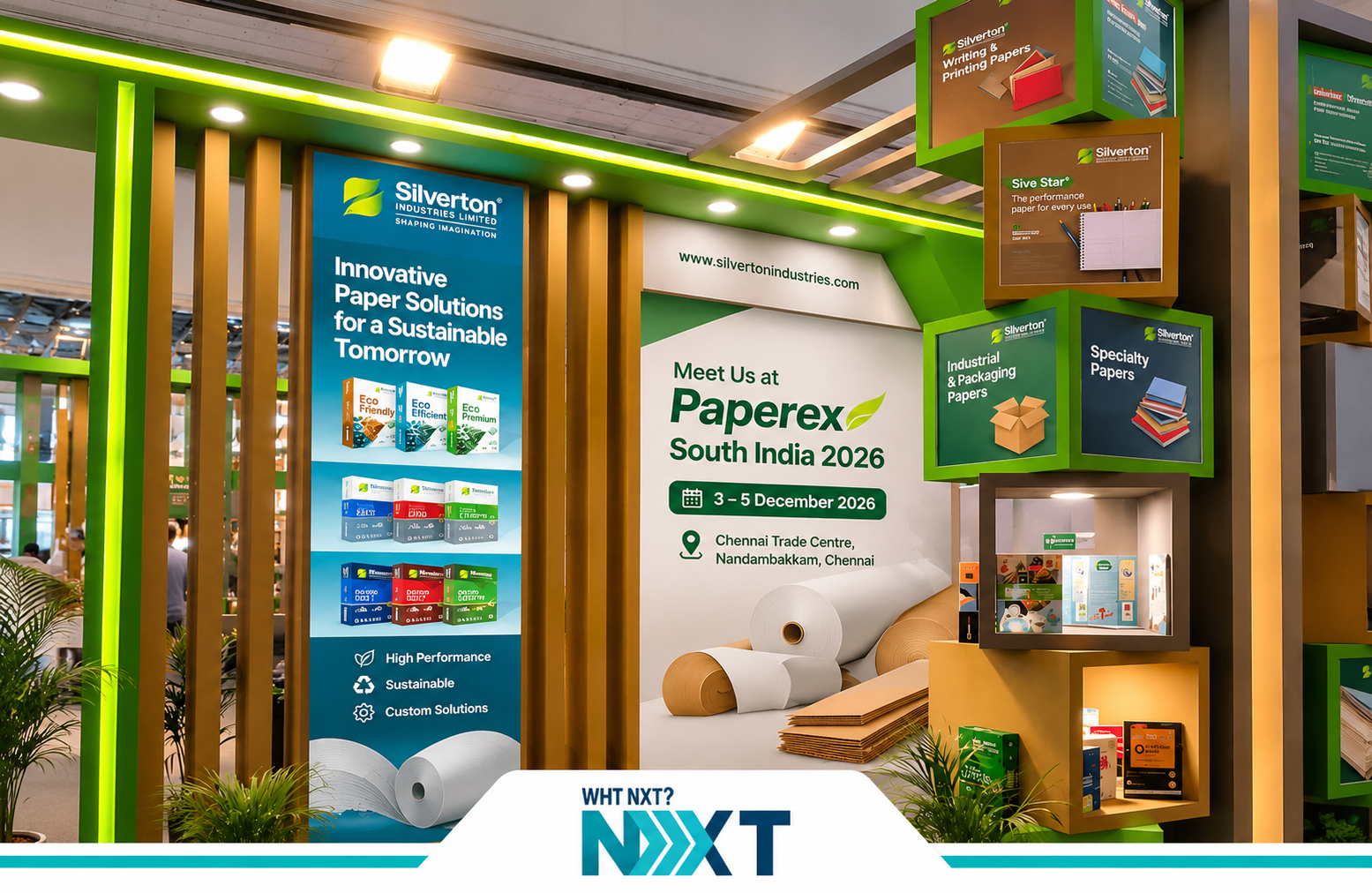
The event is scheduled to be held at Chennai Trade Centre, Nandambakkam, Chennai during 3-5 December 2026. Each day of participation should have clear objectives, for example, introducing new products, performing machinery demonstrations, meeting potential buyers or consolidating existing business relationships. By connecting the exhibition stand to these objectives, businesses can make better use of their exhibition space and maximize the value of their participation.
How to Make a Lasting Impression When Participating in Exhibitions Strategically
The effective exhibition presentation combines product quality, technical communication, professional stand design and visitor interaction. In an industry where purchases are generally made on the basis of technical evaluation and long-term business needs, manufacturers have to present more than the appearance of their products. They must communicate reliability, manufacturing know-how, operational value and the capacity to deliver solutions that fulfill customer expectations.
Paperex South India 2026 is an opportunity for businesses across the paper, pulp, packaging and allied industries to strengthen their presence in the market and explore new business opportunities. A good exhibition environment can help companies communicate their capabilities, attract relevant visitors and establish better connections with industry professionals.
WHTNXT assists businesses in transforming their exhibition goals into professionally designed and executed exhibition environments. WHTNXT has solutions for the industrial and manufacturing exhibitors. From creative stand concepts, 3D designs, fabrication, branding, product display areas, lighting and full on-site execution. WHTNXT is a custom exhibition stand companydedicated to creating functional and esthetically pleasing exhibition spaces that enable brands to display their products, convey their expertise, and connect with potential clients. Choosing the right partner to exhibit can make a big difference in the way companies getting ready to participate in Paperex South India 2026 present their products and manufacturing solutions to the industry.