Pre-Event Marketing: What Top Brands Do Differently
The difference between a packed venue and empty seats is usually decided before doors open. Here's how the best brands build momentum—and how to steal their playbook.
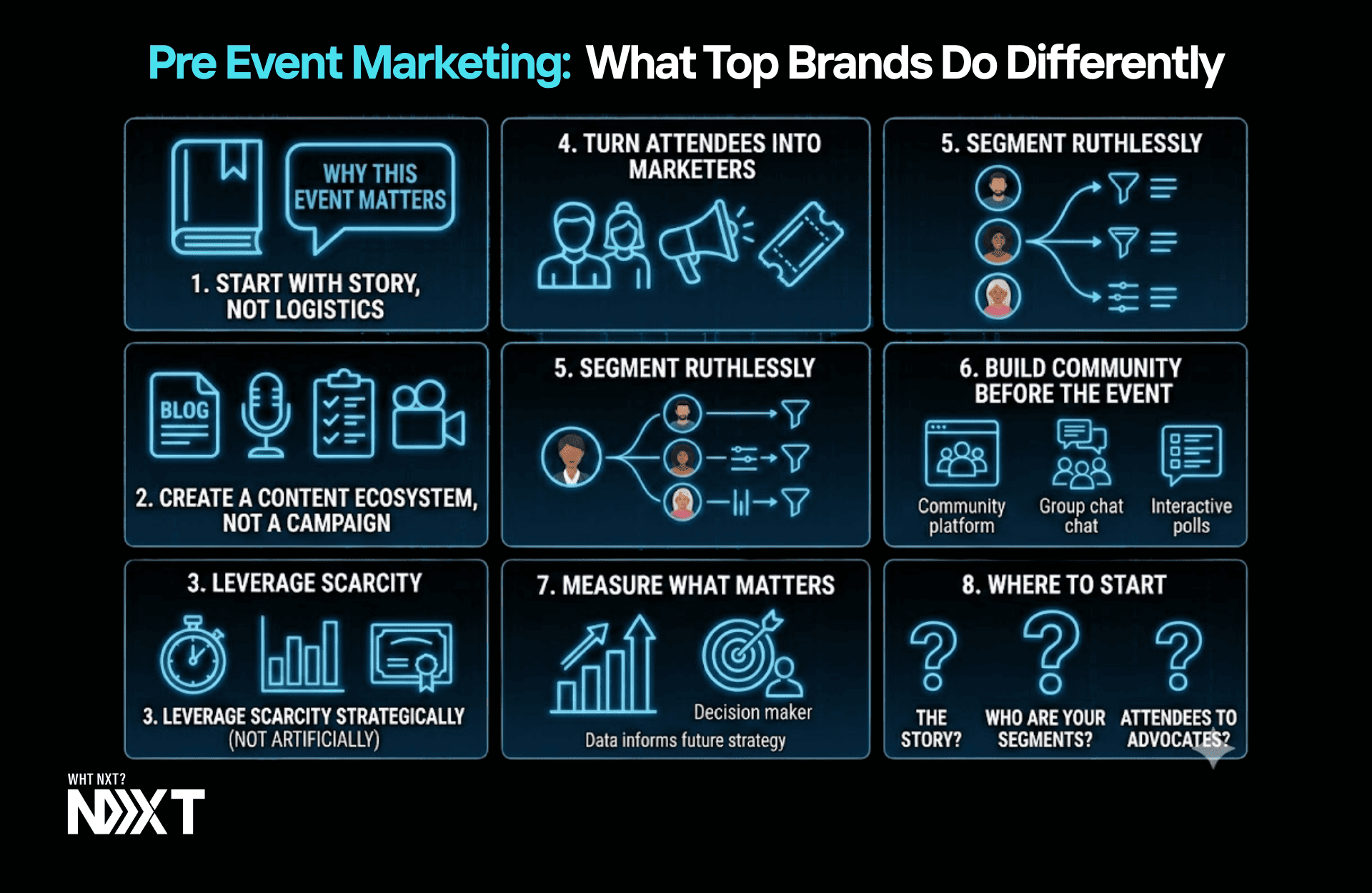
They lead with story, not logistics
Average event marketing opens with date, time, and location. Top brands open with why it matters. Apple teases with cryptic invitations that spark conversation. Salesforce positions Dreamforce as "the largest AI event in the world"—not just another conference.
The shift is subtle but powerful: instead of asking "Will you attend?", they make audiences ask "Can I afford to miss this?" Before writing a word of copy, answer this: what can attendees get here that they can't get anywhere else?
They build a content ecosystem
HubSpot's INBOUND is the model. Months out, they publish blog posts on speaker themes, podcast episodes with confirmed guests, and free resources tied to event topics. The effect: potential attendees see value before they ever register, and the brand stays top-of-mind without spamming "Register now!"
They use scarcity that's real—not manufactured
Audiences can smell a fake countdown timer. What actually works:
- Tiered pricing with clear, honest deadlines
- Capacity limits tied to experience quality ("Capped at 500 for meaningful networking")
- Early access for existing customers or community members
Nike's SNKRS drops get this right. Scarcity isn't a tactic—it's baked into the experience.
They turn attendees into marketers
| Tactic | How it works |
| Speaker kits | Pre-written posts, branded graphics, personal discount codes |
| Referral perks | Upgrades or exclusive sessions for bringing colleagues |
| UGC moments | "I'm attending" graphics, community hashtags |
| Alumni outreach | Past attendees recruit their networks |
SXSW has built an empire this way. Their badge-holders become a marketing army.
They segment ruthlessly
One message for everyone is the hallmark of mediocre event marketing. Salesforce reportedly sends over 100 email variations for Dreamforce—prospects get value-focused content, past attendees hear what's new, executives get strategic framing, practitioners get tactical sessions. The result: industry-leading conversion rates.
They build community before day one
The event starts the moment someone registers. Notion does this well: dedicated Slack channels and discussion threads let attendees start collaborating weeks before the gathering. Pre-event networking platforms, exclusive content drops, and interactive polls (what topics do you want covered?) all drive engagement and reduce no-shows.
They measure what actually matters
Impressions and open rates are vanity. Top brands track registration conversion by channel, cost per qualified registration, attendee job titles and decision-making authority, and how deeply registrants engage with pre-event content. This data doesn't just measure success—it shapes next year's strategy.
Where to start:
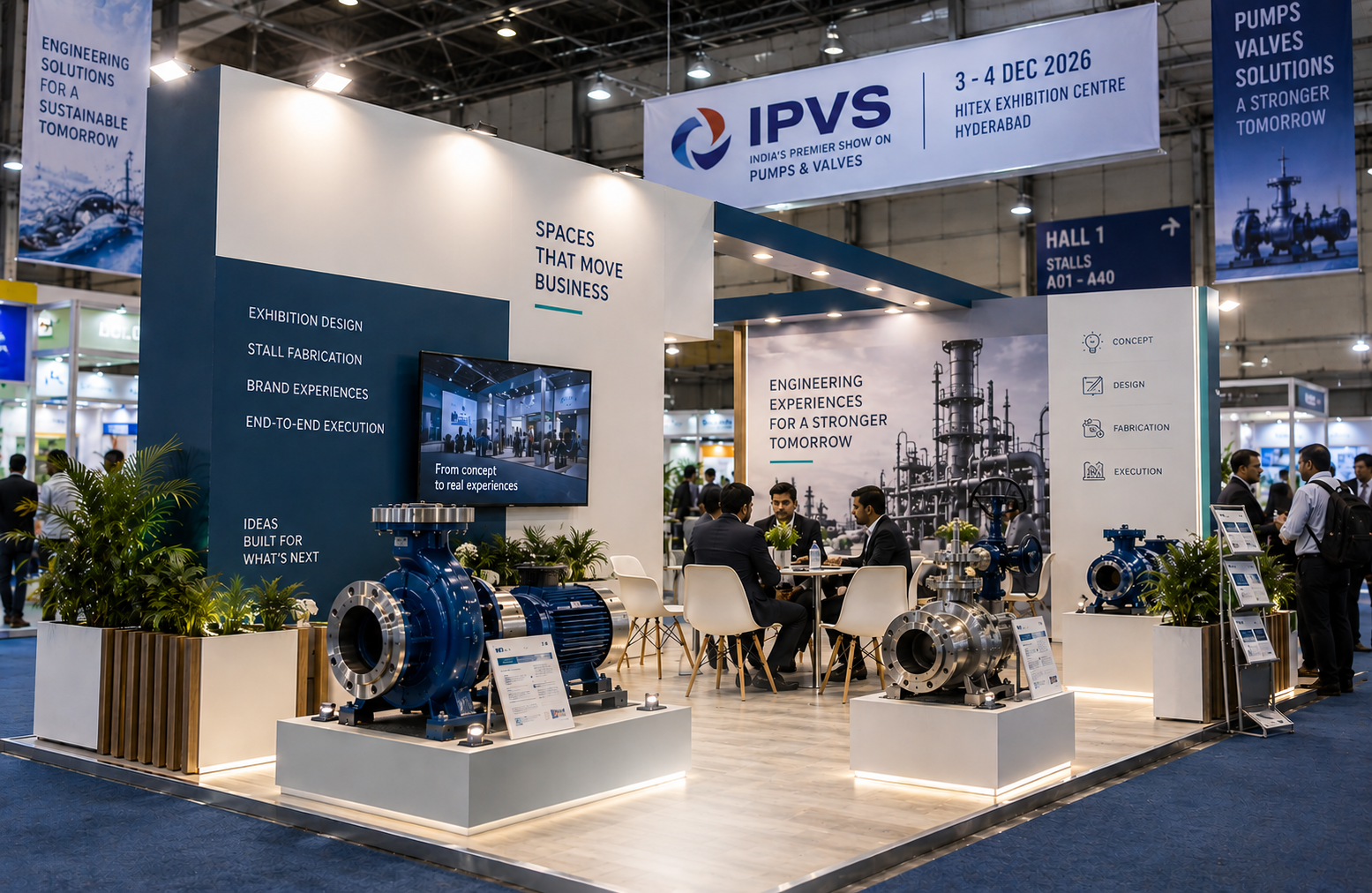
The WHTNXT Edge: Make Your Stand Match the Hype Great pre-event marketing needs a booth that delivers the promise. Immersive design, strong sightlines, and interactive zones turn pre-show excitement into real conversations and leads.
Don't try to implement everything at once. Start with three questions:
- What's the story? Can you articulate why this event matters in one sentence?
- Who are your segments? Can you name at least three groups who need different messages?
- How will attendees become advocates? What tools and incentives will turn registrants into recruiters?
Nail these, and you're already ahead of most event marketers. The best pre-event marketing doesn't feel like marketing at all—it feels like an invitation to something genuinely worth attending.

Leave a comment
Your email address will not be published. Required fields are marked *