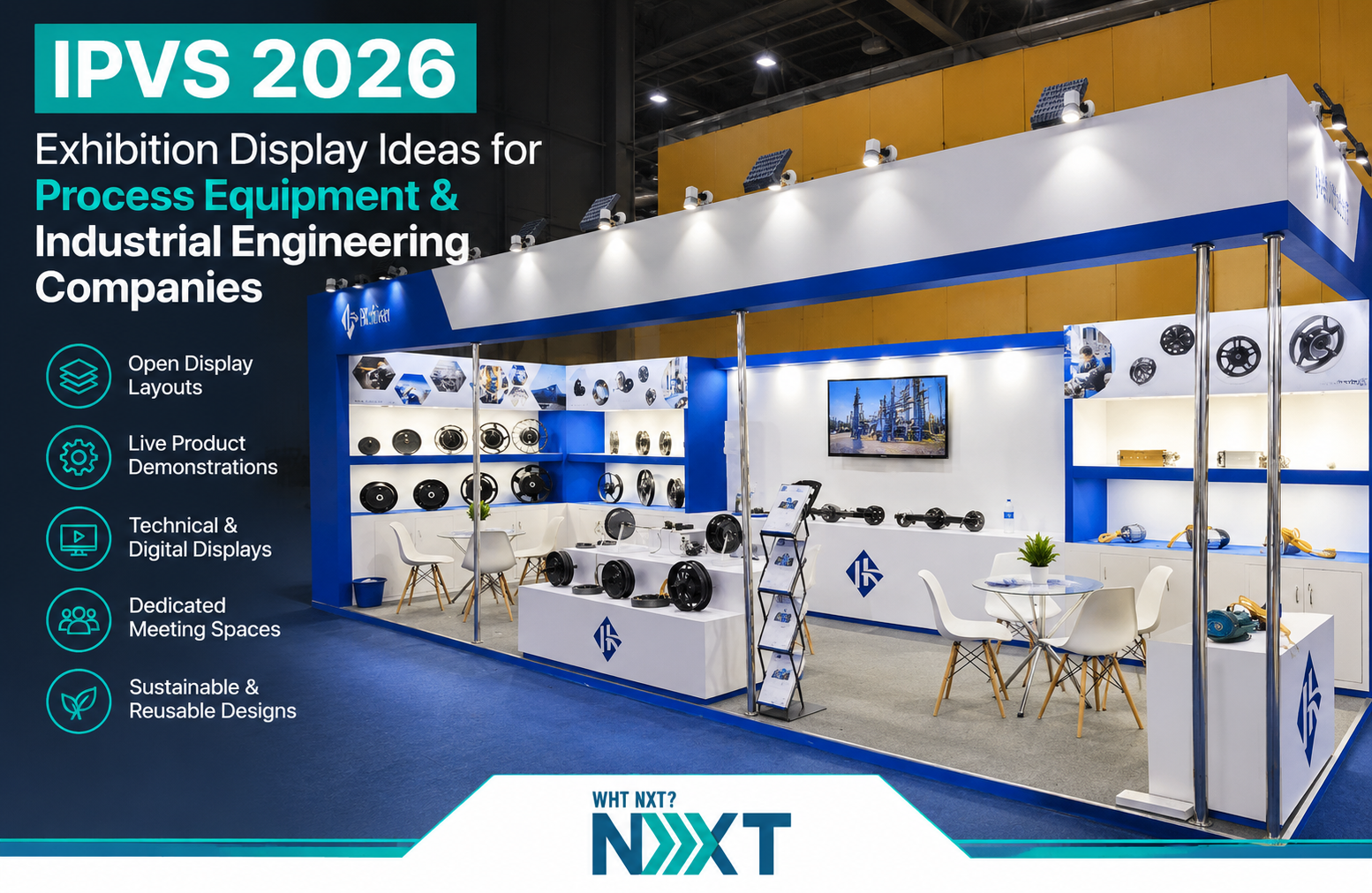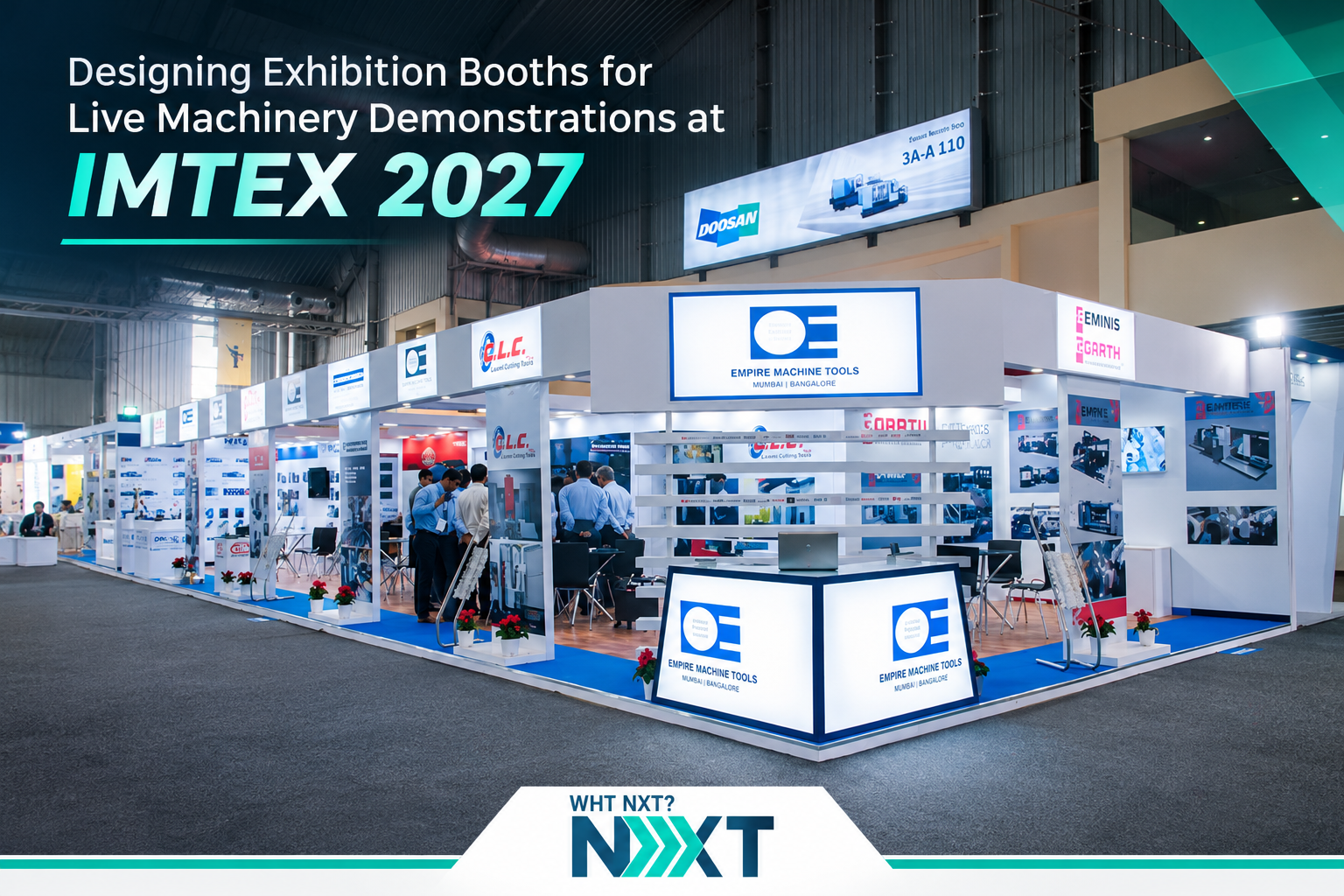
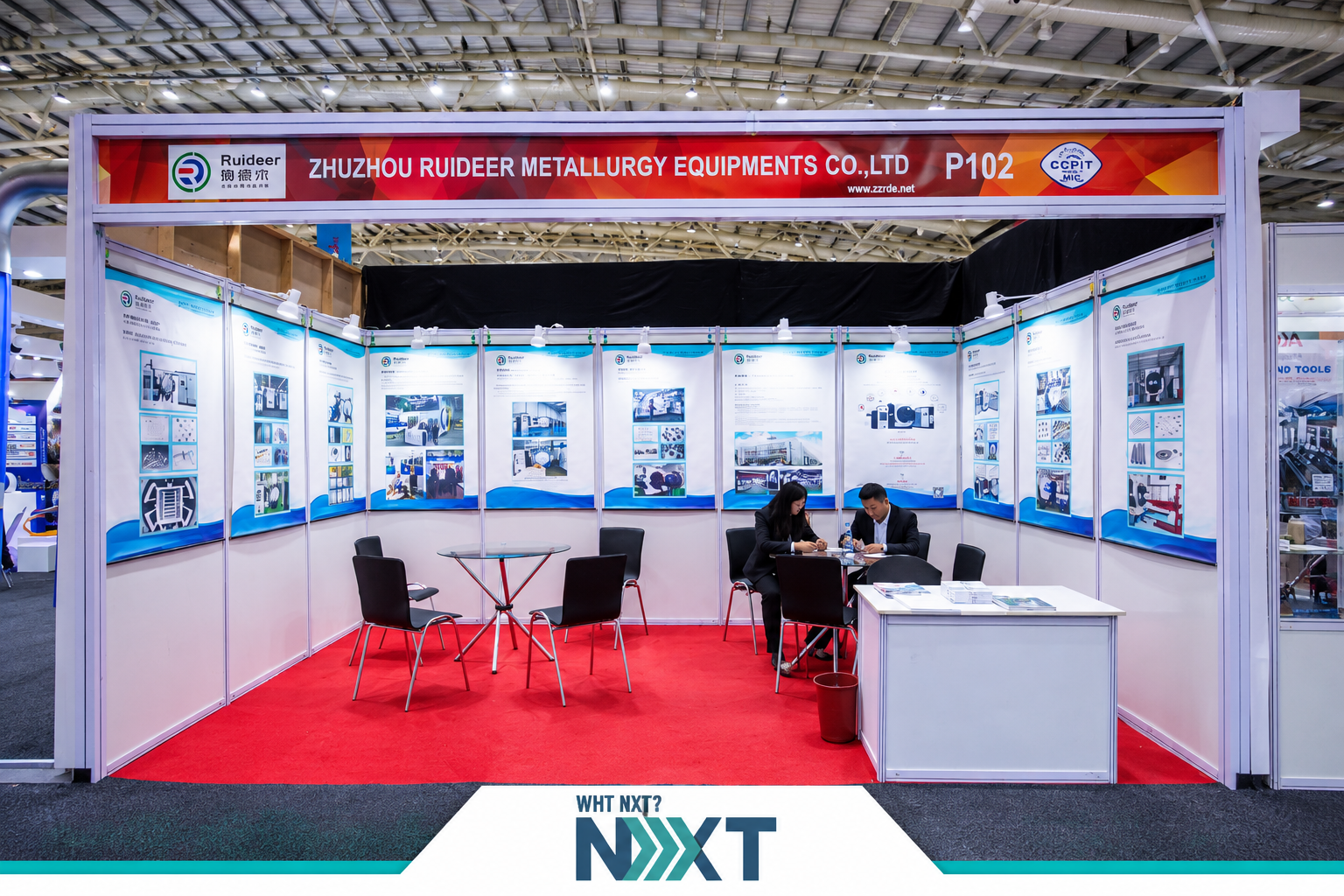
As companies gear up for IMTEX 2027, the exhibition stall design should be an integral part of their marketing strategy. A good stall can tell the story of the company, explain complex industrial products in a more comprehensible way and provide an environment for meaningful business conversations to happen. Every design decision, from the planning of layouts and product demonstrations to lighting and brand communication, adds to the overall exhibition experience.
IMTEX 2027: Why This Is a Key Event for Manufacturing Businesses
Manufacturing exhibitions are a forum for businesses to interact with the people who influence buying decisions. Exhibitions allow visitors to get up close and personal with products, ask technical questions, and find out about solutions, as opposed to digital marketing where companies often communicate through screens and online campaigns.
IMTEX 2027 will provide an opportunity to exhibitors to interact with machine tool buyers, manufacturing companies, industrial distributors, engineers and decision makers. These interactions can help businesses find new markets, generate qualified leads, establish partnerships, and understand evolving industry needs.
However, the large number of participating brands also means that visitors have limited time to explore each stall. Businesses need to be able to convey their value in a clear and effective way. This is where the value of exhibition stall design goes beyond esthetics. It’s a practical marketing tool that can help a company garner attention and convey its strengths in a competitive exhibition environment.
Why IMTEX 2027 venue Matters?
One of the most important factors when a business is planning its presence on the show floor is where the exhibition is being held. The best part about the
The Bangalore International Exhibition Center (BIEC), Bengaluru, offers a vast exhibition space. Brands need to consider visitor movement, stall placement, accessibility and the overall look.
Knowing the venue layout in advance of beginning the design process can help exhibitors make better decisions. The design of a stall can be influenced by the location of the stall, the exhibitors next door to it, the space available, the points of entry and the way in which visitors move.
For instance, a brand situated in a high-traffic area may benefit from an open layout that invites visitors to enter from multiple directions. In contrast, a company with more display of machinery may need a more organized layout with enough space for product demonstrations and technical talks.
It also helps avoid last minute adjustments for exhibitors by working around the venue. Before fabricating, review dimensions, height restrictions, electrical requirements, structural guidelines, and other technical considerations. The design may look good on paper but it must also work in the real exhibition environment.
Designing a stall that reflects your brand personality
An exhibition stall is usually the first physical interaction a potential customer has with a company. Its design should tell what the business stands for, without visitors spending several minutes to get the brand.
This means for manufacturing companies, they need to go beyond the generic exhibition structures and create a design that reflects their products, capabilities and industry positioning. All brand colors, typography, graphics, product displays and architectural elements should work together to create a consistent visual identity.
For example, a precision engineering company may benefit from a clean and structured design that emphasizes accuracy, technology and innovation. A heavy industrial machinery manufacturer may want a larger layout with dedicated demo areas and unobstructed views of the product.
The goal is not to make the stall complicated unnecessarily. Instead, the design must let visitors understand the brand, its primary offerings, and why its products or services are relevant to their business needs.
Product Demonstrations at the Heart of the Exhibition Experience
Products are often the strongest selling point for manufacturing and machine tool companies. Visitors to IMTEX are interested in understanding how machines work, what makes a particular technology different, and how a product can improve their manufacturing processes.
This makes the planning of product demonstration an important part of exhibition stall design. Exhibitors should not see the machinery as the display item but should think about how the whole stall can be organized around the products being displayed.
Machines should be easily seen with enough room around them for visitors to view demonstrations. Clear presentation of key technical information, product specifications and application information. Wherever possible interactive demonstrations can also help visitors understand product capabilities much better than static displays.
Also important is the location of demonstration areas. If more than one machine is on display, the layout should permit visitors to move freely between them without excessive congestion. Technical discussion spaces can help sales teams explain product features and answer specific questions.
A well-thought-out demo area contributes to the exhibition experience, gives more information, and encourages visitors to spend quality time with the brand.
Lighting and Graphics to Improve Product Visibility
Graphics and lighting are the two important things that affect the visitors’ perception of the exhibition stall. Even the most beautifully designed structure can lose impact if products are poorly lit or brand communication is difficult to read.
IMTEX exhibitors are advised to plan lighting according to the nature of products on display. Spot lighting can be used to highlight key pieces of machinery, while general lighting can give the overall stall a sense of openness and accessibility. Accent lighting can also be used to highlight product zones, demonstration counters, and important brand elements.
Graphics should convey information clearly instead of filling up the stall with unnecessary text. Big headlines, relevant product images, technical highlights and concise messaging can all help visitors understand what the company is offering.
Manufacturing brands need to pay special attention to readability. Visitors may be viewing the stall from various distances, so important brand names and product categories should be visible from the exhibition aisle. Consistent colors and visual elements can also help improve brand recognition during the event.
Creating Spaces That Foster Business Conversations
“Visitors are important to attract, but the real value of an exhibition often lies in the conversations that happen after someone walks into the stall. Therefore a successful design should provide space for business as well as product displays.
Manufacturing exhibitions are visited by various visitors such as procurement professionals, distributors, engineers, business owners and technical decision-makers. Every visitor may have different questions and needs. The dedicated discussion area provides exhibitors the opportunity to understand these requirements and elaborate on their solutions.
Exhibitors can include meeting tables, consultation counters, seating areas and semi-private discussion areas depending on the space available. These should be positioned strategically so that business conversations can take place without interfering with product demonstrations or visitor movement.
A good layout gives you both openness and function. It should encourage visitors to visit the stall and offer the sales representatives enough space to cater to the potential customers comfortably.
Why Early Planning for IMTEX 2027 Stall Fabrication is Crucial
There’s a few things that need to be coordinated before the exhibition starts. Prep for the exhibition. Design finalization, material selection, fabrication, electrical planning, graphics production, transportation and on-site installation require sufficient time.
Starting the planning process early allows the exhibitor more flexibility to experiment with different design ideas and make changes before fabrication begins. It also enables companies to assess if their proposed setup meets technical requirements and if the layout supports their real exhibition goals.
Last minute planning often results in rushed design decisions, limited customization options, coordination challenges and unnecessary expense. Early planning is particularly critical for companies displaying large machinery or specialized equipment as there may be additional technical considerations such as transportation, positioning, access requirements and installation.
A team of experienced exhibition stall fabricators can make this process more organized. Proper coordination from understanding the brand requirements to translating the approved design into a functional physical structure helps ensure that the final stall reflects the original concept.
Avoid Common Mistakes in Exhibitor Booth Design
Another mistake commonly made by exhibitors is to focus on visual appeal rather than function. A stall can look great in a design presentation, but if the visitors can’t move around comfortably, products are hard to access or important information is not visible, then the overall experience can suffer.
Another mistake is overloading the structure with too many graphics, display counters and decorative items. Each piece should have a purpose. Exhibitors should concentrate on product visibility, clear branding, ease of visitor access and a comfortable space for interaction.
Practical problems can also arise during the exhibition if storage needs are ignored. Promotional materials, personal items, brochures and other essentials must be stored in designated areas to keep the stall organized throughout the event. Likewise, the initial design should include electrical connections, machinery requirements, lighting arrangements, and safety considerations.
The best exhibition stalls are those that can achieve the balance between creativity and practicality. A good design should be professional looking, facilitate business activities, and remain functional for all seven days of the exhibition.
Turning Exhibition Footfall into Valuable Business Opportunities
Attracting visitors is only one aspect of taking part in an exhibition. The bigger goal is to convert visitor interest into business opportunities. This means that the stall design, the brand communication, the product demonstrations and the sales staff must be coordinated.
Exhibitors should consider the visitor journey before the event even starts. The first thing a person should notice when they approach the stall is? What do they need to know when they come in? Where to carry out product demonstrations? How can the sales team start a conversation with visitors without sounding too pushy?
These questions can help businesses build a more organized exhibition experience. Good displays of products, easy-to-get-at information, demonstrations that involve the viewer, and places to meet and talk can make interactions productive.
A system for collating and following up on inquiries is also important. Visitors who are interested should have a simple means to communicate their contact details and business requirements. After the show, timely communication can allow companies to continue conversations and move potential customers further down the sales process.
After all, success at an exhibition is more than simply how many people visit a stall. It is also measured in terms of quality of interactions, leads generated, relationships built and opportunities created .
Conclusion: Use WHTNXT to Make Your IMTEX 2027 Exhibition Presence Count
IMTEX 2027 is a great opportunity for manufacturers to showcase their capabilities, connect with industry professionals and increase their market presence. With so many brands competing for attention, a well planned exhibition stall can help businesses to make a good first impression and communicate their value more effectively. Whether it is understanding the venue and planning product demonstrations or creating engaging layouts and comfortable discussion spaces, everything should contribute to the company’s exhibition objectives. It is equally important to select the correct fabrication partner to ensure that the design will be translated into a functional and professionally executed stall. WHTNXT helps businesses realize their exhibition ideas through creative design, customized fabrication and end-to-end exhibition solutions. WHTNXT is a custom exhibition stand company that creates exhibition spaces that reflect a brand, showcase products and encourage meaningful visitor interaction. With IMTEX 2027 just around the corner, a well-planned exhibition stall strategy will help your brand stand out, draw the right audience and make every interaction count.