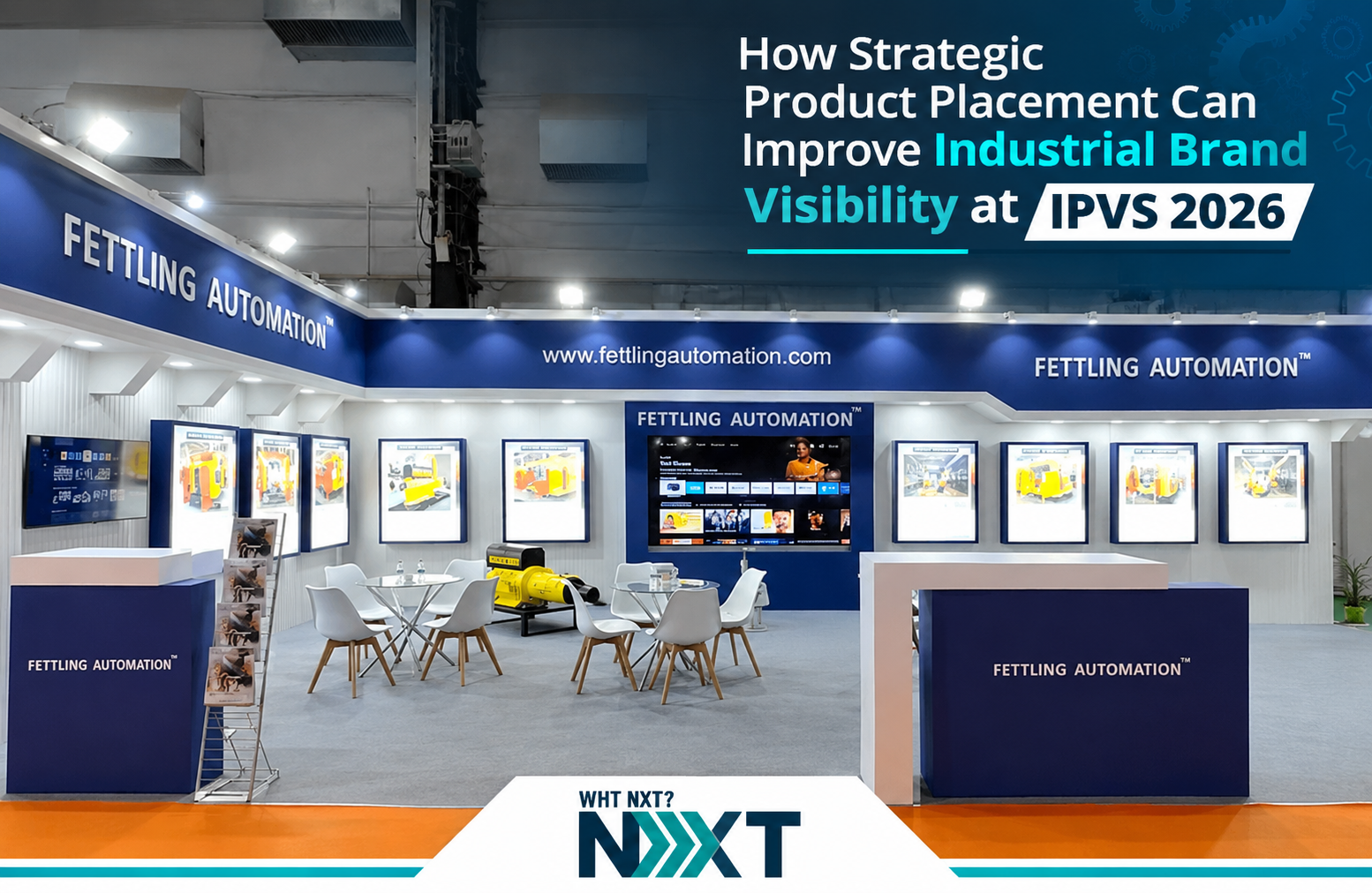
Product placement is more than just determining where to place equipment, machinery or product samples. It is about understanding the behavior of visitors, the main products, the organization of exhibition spaces and the visual presentation which stimulates interaction. A well-designed display can help visitors to understand a company’s products and services in a short time and make the brand more memorable during the exhibition.
Importance of Product Placement at IPVS 2026
Industrial exhibitions often draw manufacturers, technology providers, distributors, engineers, purchasing managers and industry decision-makers. Visitors usually come with a purpose: to discover new technologies, to compare suppliers, to evaluate equipment or to look for business partners. Exhibitors have a small window of opportunity to communicate the value of their products.
Strategic product placement allows businesses to showcase their most important products in places where visitors can easily see and understand. Instead of lining up all the products without any structure, companies should structure their exhibition space according to the importance of the product, its functionality and the needs of the customer.
For instance, a manufacturer with a new industrial solution may place it in a prominent place within the exhibition stand. Supporting products, technical components and complementary solutions around it can form a logical product presentation. This way visitors can see what the company can do but they won’t be lost in a jumble of displays.
At IPVS 2026, where industrial brands want to attract relevant industry audiences, a structured product presentation can be an important competitive advantage.
Place High-Priority Products in High-Visibility Locations
All products do not deserve equal focus within an exhibition space. Businesses should consider which products are most important to their marketing and sales goals before finalizing their display arrangement.
New product launches, flagship machinery, innovative technologies and high demand solutions should be given priority position. Positioning these products to the front of the exhibition stand or in high visitor visibility areas can help with increasing the chances of attracting attention.
But high visibility should not be achieved at the expense of accessibility. Visitors should be able to come up to the products, inspect and understand them comfortably. Industrial equipment may need extra space for demos, technical explanations and interaction with company personnel.
A product in the right spot can be the focus of attention for an exhibition stand, attracting visitors to stop, ask questions and look at other products. This creates a natural opportunity for meaningful conversations between exhibitors and potential customers.”
Create Specific Product Sections for Better Navigation
When everything is put together, it can be difficult to get a handle on a vast array of industrial products. Visitors might find it difficult to locate particular solutions or comprehend the interconnections between products.
The answer to this is to develop dedicated product zones. Companies can divide their booth space into sections by product categories, applications, technologies or industry requirements. An industrial solutions manufacturer might, for example, have different zones for machinery, automation systems, components and technical innovations.
Every zone needs to have a unique visual identity and space for visitors to examine products. Product descriptions, technical specifications and application related information can communicate important information without visitors having to approach a representative immediately.
This organized display makes it easier to navigate and allows visitors to concentrate on products relevant to their business interests. It also helps sales teams identify visitor needs more efficiently and guide conversations toward relevant solutions.
Lighting and Visual Merchandising to Showcase Products
Lighting is a vital part of the design of industrial exhibitions; it affects how products are seen in their display environment. Good lighting helps to create a visual focus and present products in the best possible light, whereas poor lighting can make it difficult to notice even high-quality machinery or technical products.
Spotlights can be used to focus on flagship products, newly launched technologies and important sections of display. Integrated LED lighting may improve the appearance of product displays, and illuminated branding can increase brand recall.
Visual merchandising also covers consistency in terms of product arrangement, display height, color combinations, graphics and signage. Industrial products should be presented in a way that conveys quality, engineering and practical applications.
For example, a manufacturer of precision equipment can use clean product platforms, focused lighting and technical graphics to communicate the message of accuracy and reliability. The aim is to create a professional presentation that promotes the value of the product and does not distract visitors with unnecessary decorative elements.
Include Live Product Demonstrations
Demonstrating how a product works is one of the best ways to attract attention at an industrial exhibition. Static displays let visitors examine products, but live demonstrations allow them to understand functionality, performance, and practical applications.
Machinery, automation solutions, industrial components or manufacturing technologies exhibitors can set up dedicated demonstration areas in their exhibition stands. These spaces need to be carefully planned to accommodate equipment, visitors, safety requirements and technical explanations.
Live demonstrations can also help brands communicate complex product benefits more effectively. Exhibitors can demonstrate how their solutions can solve specific operational challenges, rather than just relying on brochures or technical presentations.
For IPVS 2026, companies should consider placing their demo areas on the sides of the visitor walkways so they are visible but out of the way. Planned demonstrations can also be used to attract visitors to spend time on the stand and talk to company representatives.
Support Physical Product Placement with Digital Screens
Digital displays may improve the way a product is presented by offering information that might be difficult to display physically alone. LED screens, digital signage, interactive displays and product demonstration videos help visitors understand complex industrial solutions.
For example, a manufacturer presenting a large machine can use a screen nearby to show how the machine works inside, how it produces, its technical capabilities or industrial applications. This is particularly helpful when some features of the product cannot be demonstrated physically on the exhibition.
Digital displays can also relay product specifications, certifications, case studies and information related to the application. When combined thoughtfully they create a bridge between physical product and digital storytelling.
But digital technology should augment, not dominate, the exhibition experience. The real product should be the center of attraction, and the digital content should add context and information.
Enable Easy Movement of Visitors and Access to Products
Product placement should always take into account the way visitors move around the exhibition stand. A nice display can be an eye-catcher, but a cluttered layout and badly placed products can turn visitors away from looking around.
Businesses should have clear entrances and comfortable walkways, with logical movement between different product sections. Products that are frequently demonstrated must be given plenty of space around them. Consultation areas should provide an opportunity for visitors to discuss technical requirements without disturbing other discussions.
Accessibility of the product is also important. They should be able to see appropriate equipment, read product literature and talk to representatives without unnecessary barriers.
A well-planned layout will make the exhibition experience more comfortable and allow brands to meet the needs of different visitors. It also allows sales teams to track conversations, demonstrations, and potential business opportunities.
Align Product Placement with Brand Image
An exhibition stand should not simply tell what products a company makes. It should also reflect the organisation’s positioning, expertise and brand personality.
Strategic product placement is enhanced by consistent branding, professional graphics, clear messaging, and a cohesive exhibition design. Company logos, brand colors, product descriptions and visual elements should all help to create a recognizable presentation.
Industrial brands need to be credible and technically proficient. Exhibition displays should communicate reliability, engineering quality, and industry experience and innovation.
Businesses should also make sure their most important brand messages are visible from key approaches for visitors. When product presentation and brand communication go hand in hand, visitors can understand both what the company offers and why its solutions are worth considering.
How to Measure Product Visibility and Visitor Engagement
Measurable marketing objectives should also support strategic product placement. Businesses need to find out which products are generating the most interest, which areas are leading to inquiries and how visitors interact with the different zones of the exhibition stand.
Exhibitors can see how many visitors they interacted with, how many participated in a product demo, requested a brochure, scanned a QR code or started a conversation about a particular product. These observations are useful to understand visitor preferences and for businesses to know which products attract the most interest.
Leads collection should be also related to product categories. By noting down which products visitors inquire about, sales teams can follow up with relevant technical information, quotations and product demonstrations after the exhibition.
With companies that take part in IPVS, this method means product placement becomes a marketing strategy that is not just visual, but also measurable. The goal is not just to get more visitors, but to create meaningful interactions that can lead to long-term business opportunities.
Crafting your Exhibition Strategy for IPVS 2026
“Preparation is key to ensuring that product placement achieves the desired results. Businesses should be finalizing their product priorities, knowing their target audience, preparing technical displays and co-ordinating exhibition stand requirements well in advance of the event.
When you are planning to participate in the exhibition, transport products, or arrange stand fabrication and installation schedules, the most important factors to consider are the IPVS EPO 2026 Dates and the IPVS 2026 dates. The exhibition will be held at HITEX Exhibition Center, Hyderabad on 3–4 December 2026 and will bring together manufacturers, technology providers and industrial professionals from the pumps, valves and process systems sector.
A successful exhibition strategy must combine product positioning, brand communication, visitor accessibility and professional stand design. By planning these elements together, businesses may develop an exhibition environment that supports both brand visibility and business development.
Summary
Strategic product placement provides a powerful means of significantly enhancing industrial brands’ ability to attract attention, communicate product value and engage with potential customers at IPVS 2026. From the placement of a flagship machine in the center of the floor to the establishment of a dedicated product area or the incorporation of live demonstrations and digital displays, every element of the exhibition layout should serve a clear marketing objective. However, to achieve these results, more than an attractive display is needed; an exhibition stand designed around the products, the logo, and the visitor experience is needed. WHTNXT turns exhibition objectives into impactful physical brand experiences for businesses with customised exhibition stand design, fabrication and execution. As an experienced custom exhibition stand company, WHTNXT specializes in creating functional, visually attractive, and strategically planned exhibition spaces that enable industrial brands to showcase their products effectively, increase brand awareness, and build meaningful connections with their target audience. IPVS 2026 offers the chance to turn product displays into powerful business opportunities with an effective exhibition strategy.