Most Exhibitors Lose Leads Before They Even Start. Are You Making These Silent Mistakes?
You’ve booked the stall.
The design is in progress.
The team is ready.
Everything looks set… right?
Not quite.
Here’s the harsh truth: most exhibitors start losing leads long before the event even begins.
Not because of bad products. Not because of poor effort.
But because of silent mistakes—the kind you don’t notice until it’s too late.
Let’s break down the most common ones
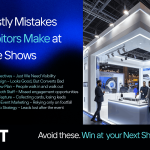
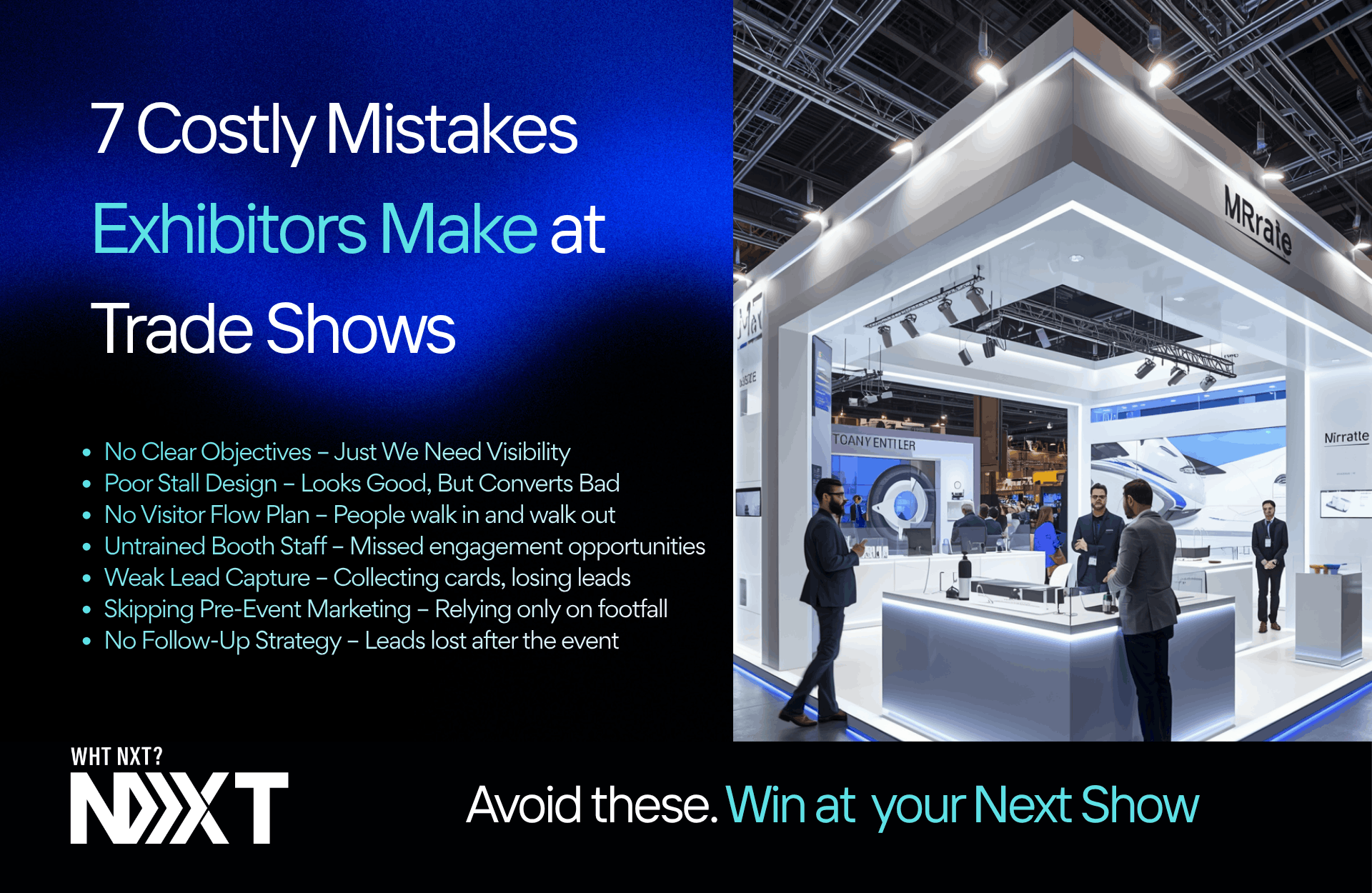
1. No Clear Objective (Just “We Need Visibility”)
If your only goal is “brand visibility”, you’re already setting yourself up to fail.
What does success actually look like?
- Number of leads?
- Meetings booked?
- Product demos?
- Partnerships?
Without a clear objective, your entire stall—from design to team behavior—becomes directionless.
Fix it: Define 1–2 primary goals before anything else. Everything should align to that.
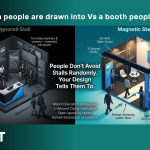
2. Designing for Looks, Not Conversions
A good-looking stall isn’t always a high-performing one.
Many exhibitors focus on:
- Fancy structures
- Bright visuals
- “Something different”
But forget the most important question:
“What will the visitor do here?”
If your stall doesn’t guide action, it won’t generate results.
Fix it: Design for behavior—clear messaging, visible CTAs, easy interaction zones.
3. No Visitor Journey (People Just Walk In… and Out)
Visitors don’t automatically engage—they need direction.
Without a planned journey:
- They don’t know where to look
- They don’t know what to do
- They leave within seconds
Fix it: Structure your stall flow:
Attract → Engage → Interact → Capture
4. Unprepared Booth Staff
This is one of the biggest (and most ignored) mistakes.
Your team might:
- Stand in groups
- Look at their phones
- Wait for visitors to approach
Meanwhile, potential leads walk away.
Fix it: Train your team:
- How to approach visitors
- What to say in the first 10 seconds
- How to qualify leads quickly
Your staff = your conversion engine.
5. No Lead Capture System
You’re collecting business cards… and then what?
Without a system:
- Leads get lost
- Follow-ups are delayed
- Opportunities disappear
Fix it:
- Use digital forms or apps
- Categorize leads (hot/warm/cold)
- Assign follow-up responsibility immediately
6. Ignoring Pre-Event Marketing
If people don’t know you’re exhibiting, why would they visit?
Many brands rely only on footfall—but that’s passive.
Fix it:
- Announce your presence on LinkedIn & email
- Schedule meetings in advance
- Invite key prospects personally
The best leads are often planned, not random.
7. No Follow-Up Strategy
This is where most leads actually die.
After the event:
- Emails are delayed
- Conversations are forgotten
- Momentum is lost
Fix it:
- Follow up within 24–48 hours
- Personalize communication
- Reference your interaction
Speed = seriousness in the client’s mind.
Turning Mistakes into Results
When you fix these silent gaps, something powerful happens:
Your stall stops being a display…
And starts becoming a lead-generating system.
To win at exhibitions:
- Define clear goals
- Design for action, not just aesthetics
- Guide visitor behavior
- Train your team
- Capture and follow up effectively
Final Thought
Exhibitions don’t fail because of bad opportunities.
They fail because of poor preparation and missed strategy.
The difference between a crowded stall and a successful one is simple:
One hopes for leads
The other is built to capture them
Planning Your Next Exhibition?
If you want to avoid these mistakes and build a stall that actually delivers results—
Think beyond participation. Think performance. Think WhtNxt.

Leave a comment
Your email address will not be published. Required fields are marked *