Aerospace Fabrication Is Becoming Smarter
Aerospace fabrication has always been associated with precision. Even a small manufacturing error can have serious consequences when a component is used in an aircraft or defence platform. What is changing today is the technology being used to achieve that level of precision.
Manufacturers are increasingly integrating advanced machinery with automation, digital design tools, robotics and real-time monitoring. These technologies are helping companies improve consistency while reducing production time and material waste.
The change is especially significant for India. Indian manufacturers are increasingly getting into global aerospace supply chains, and are expected to meet international quality standards while being competitive on cost and delivery timelines. This is pushing the industry towards more efficient and technology-driven manufacturing processes.
Advanced Materials are Changing How Components Are Made
Another important trend in aerospace engineering is the increasing use of advanced materials. Aircraft manufacturers constantly look for ways to make components lighter without compromising strength, safety, or durability.
Aircraft structures, engines and defense applications increasingly rely on composites, titanium, advanced aluminum alloys and high performance superalloys. These materials can offer significant performance benefits, but they also require specialised fabrication techniques.
Manufacturers need the right expertise to cut, form, machine, join, and inspect these materials. As aerospace designs become more sophisticated, the ability to work with advanced materials will become an increasingly valuable manufacturing capability.
Aero India 2027 is likely to provide a closer look at how these materials are being used to build the next generation of aerospace and defence systems.
Additive Manufacturing Is Moving Beyond Prototyping
Additive manufacturing, commonly known as 3D printing, has been discussed in aerospace for years. The conversation, however, is gradually shifting from experimentation to practical production.
This technology enables manufacturers to design complex shapes that are difficult or cost-prohibitive to produce by traditional means. It can also reduce material waste and make it easier to produce lightweight components.
The flexibility is also a big plus. Engineers can make design changes and produce revised components without having to completely redesign traditional tooling.
For aerospace companies, this can shorten development cycles and make it easier to explore new designs. The real opportunity now lies in determining where additive manufacturing can deliver genuine production and performance advantages.
Automation Will Play a Bigger Role
Walk into a modern manufacturing facility and you are likely to see a very different environment from the factories of the past. Machines, sensors, robotics, and software are increasingly working together to support production.
Automation can take on the repetitive and highly precise work in aerospace fabrication so skilled engineers can focus on more complex work.Automated machining and robotic systems can help improve consistency and connected equipment can provide valuable information on production performance.
That’s not to say that people are becoming less important. In fact, aerospace manufacturing is all about skilled engineers. The difference is that they now have better tools to work with.
The companies that succeed will likely be those that find the right balance between human expertise and automation.
Digital Engineering Is Changing How We Design
Some of the most important changes in aerospace manufacturing are happening before a component is ever produced.
Digital twins, simulation, computer-aided engineering and virtual testing allow engineers to learn how a component or system is likely to perform before a physical prototype is made. Engineers can test different designs, identify potential weaknesses, and make improvements much earlier in the process.
This can save time and money. It also allows manufacturers to experiment with designs that may have been too expensive or complicated to test physically at an early stage.
As aerospace projects become more complex, digital engineering will become an even bigger part of the manufacturing process.
Quality Control Is Becoming More Intelligent
Quality has always been critical in aerospace. What is changing is how manufacturers approach it.
Instead of relying only on final inspections, companies are increasingly using technologies such as 3D scanning, machine vision, non-destructive testing, automated inspection, and real-time monitoring throughout the production process.
This provides manufacturers with more information about what is happening on the production floor. If a process begins to move outside an acceptable range, the issue can potentially be identified and corrected before it results in a larger problem.
The result is a move from simply finding defects to preventing them. Over time, data-driven quality systems could become one of the most important competitive advantages for aerospace manufacturers.
India's Aerospace Manufacturing Opportunity Is Growing
Perhaps one of the most interesting stories surrounding Aero India 2027 is India's growing role in the global aerospace ecosystem.
The country is no longer a potential market for aircraft and defense equipment. Indian companies are increasingly participating in manufacturing, component production, engineering services, maintenance, and technology development.
Large aerospace organisations, private manufacturers, MSMEs, startups, and specialised suppliers are all becoming part of this expanding ecosystem.
This provides opportunities for Indian fabrication and engineering companies to move into higher value areas of the aerospace supply chain. But production capacity alone will not make us globally competitive. Companies will need reliable quality, modern technology, skilled talent, strong certifications, and the ability to deliver consistently.
Sustainability Is Entering Aerospace Engineering
Sustainability is another factor that will influence the future of aerospace manufacturing.
Aircraft manufacturers are always looking for ways to cut weight and improve efficiency. At the manufacturing level, companies are also looking at ways to reduce material waste, energy consumption, and unnecessary production steps.
Advanced materials and additive manufacturing can help make this shift, if used in the right applications. Better production planning and digital technologies can also help companies use resources more efficiently.
For the aerospace industry, sustainability is therefore becoming less about a separate environmental initiative and more about building better, more efficient products and processes.
Why Aero India 2027 Matters for Aerospace Companies
Aero India has always been a major platform for showcasing aerospace and defence capabilities. But for companies involved in fabrication and engineering, the real value lies in understanding the ideas behind the products.
Visitors will not only be looking at aircraft. They will be looking at engines, components, materials, manufacturing technologies, digital solutions, engineering services, and the companies supporting the larger aerospace ecosystem.
That makes Aero India 2027 an important opportunity for manufacturers to demonstrate what they can actually do.
And in an exhibition filled with advanced technology and competing brands, simply having a booth is not enough.
Turning Engineering Capabilities Into an Exhibition Experience
Aerospace companies often have highly technical products and services. The challenge is explaining those capabilities in a way that a visitor can understand within a few minutes.
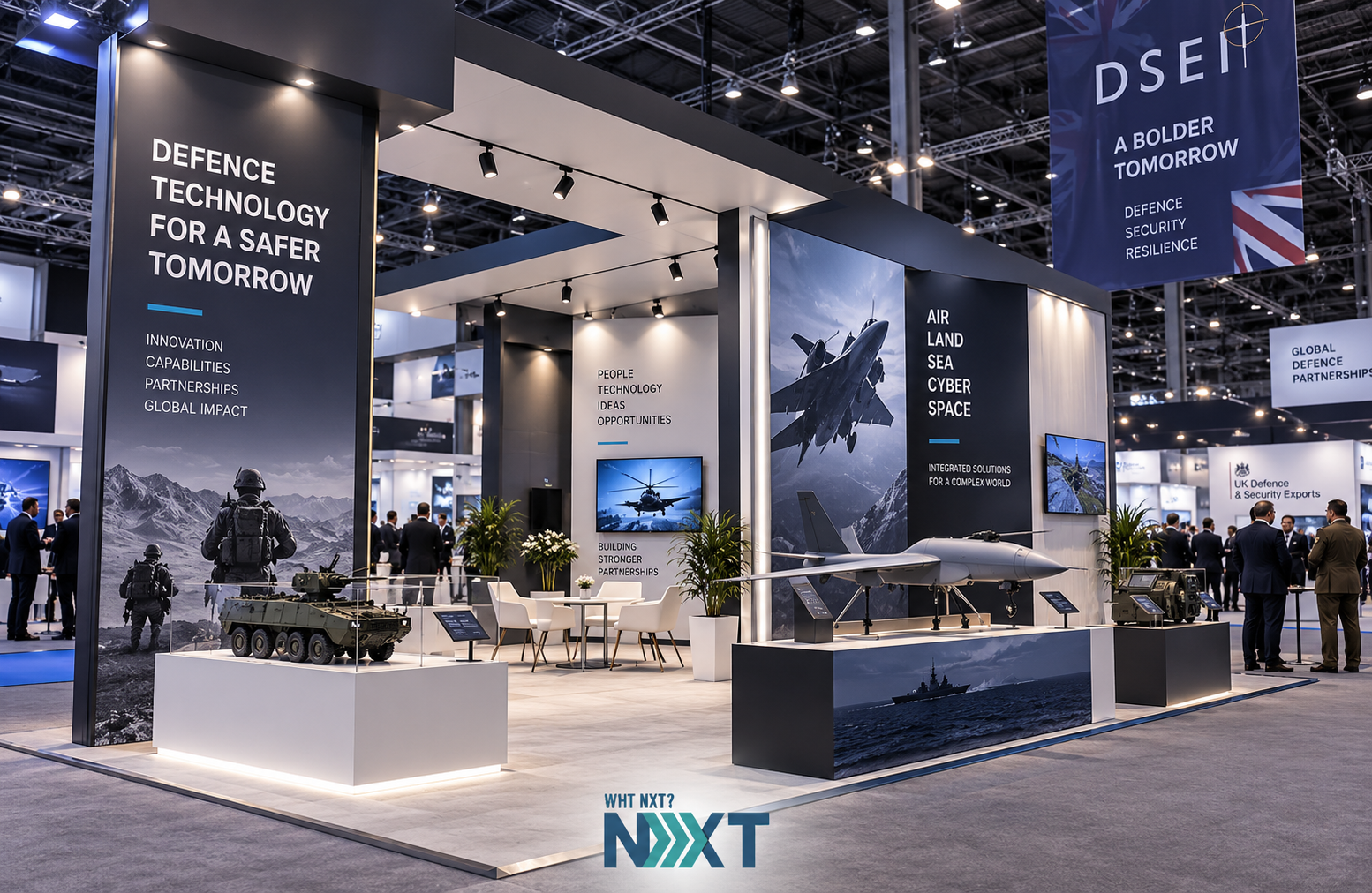
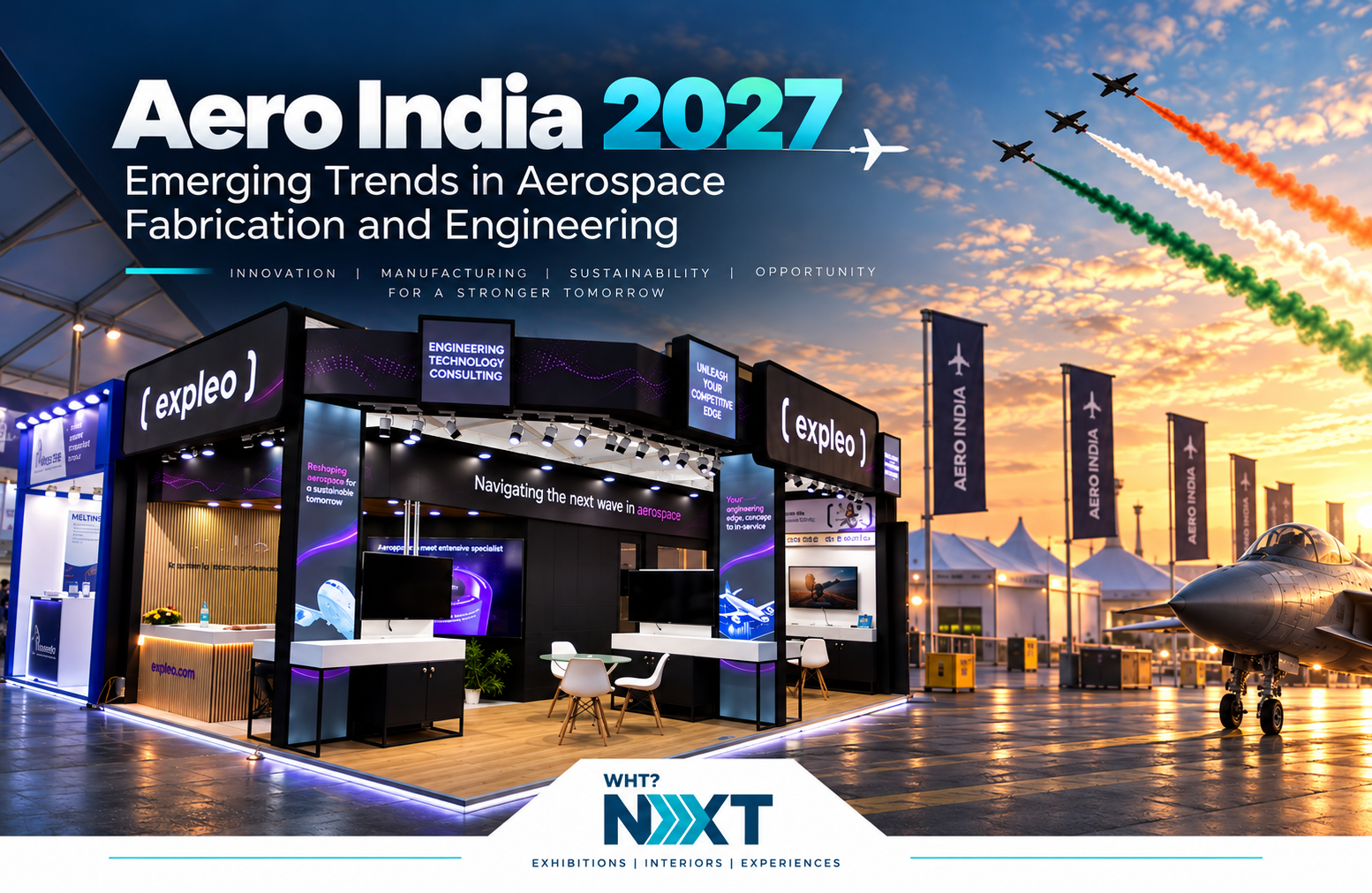
This is where exhibition design becomes important. A well-designed stand can turn technical information into a clear story through product displays, working demonstrations, graphics, interactive elements, meeting areas, and thoughtful spatial design.
A custom exhibition stand company can help Aero India 2027 exhibitors design an exhibition stand that is more than just a place to display a logo.The stand can be a brand extension for the company and a place where potential customers, partners, suppliers and industry experts can actually experience what it does.
What’s Next?
Aerospace fabrication is coming into a very exciting time.Advanced materials, automation, additive manufacturing, digital engineering, intelligent inspection and sustainable manufacturing are converging to transform the development and manufacturing of aerospace products.
For India, the opportunity is even bigger. The country's growing manufacturing capabilities and expanding aerospace ecosystem create the potential to become a much more significant part of global aerospace supply chains.
Aero India 2027 will offer a glimpse into that future.
For companies preparing to exhibit, the goal should not simply be to participate. It should be to communicate what makes their technology, engineering, and manufacturing capabilities different.
That means creating an exhibition presence that is as precise, innovative, and forward-looking as the industry itself. An Aero India registered contractor helps exhibitors manage exhibition stand design, fabrication, and execution in line with the event’s requirements and standards.
WHTNXT: Crafting experiences that matter
Aerospace and defense companies often see the exhibition stand as a potential client’s first physical experience of the brand. It needs to attract attention, communicate capabilities clearly, and provide the right environment for meaningful business conversations.
WHTNXT is a portfolio of work in exhibition design, fabrication and execution, helping brands to translate their technical capabilities into engaging exhibition experiences. With experience across large-scale industry events, WHTNXT understands the importance of combining strong design with practical functionality.
A custom exhibition stand companyhelps aerospace and defence brands create impactful, functional exhibition spaces that showcase their technology, strengthen brand visibility, and attract the right business opportunities.
The companies that can communicate that vision clearly will be the ones visitors remember long after the exhibition ends.

एक टिप्पणी छोड़ें
आपका ईमेल पता प्रकाशित नहीं किया जाएगा। आवश्यक फ़ील्ड * से चिह्नित हैं