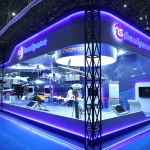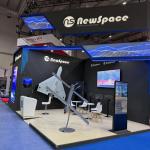
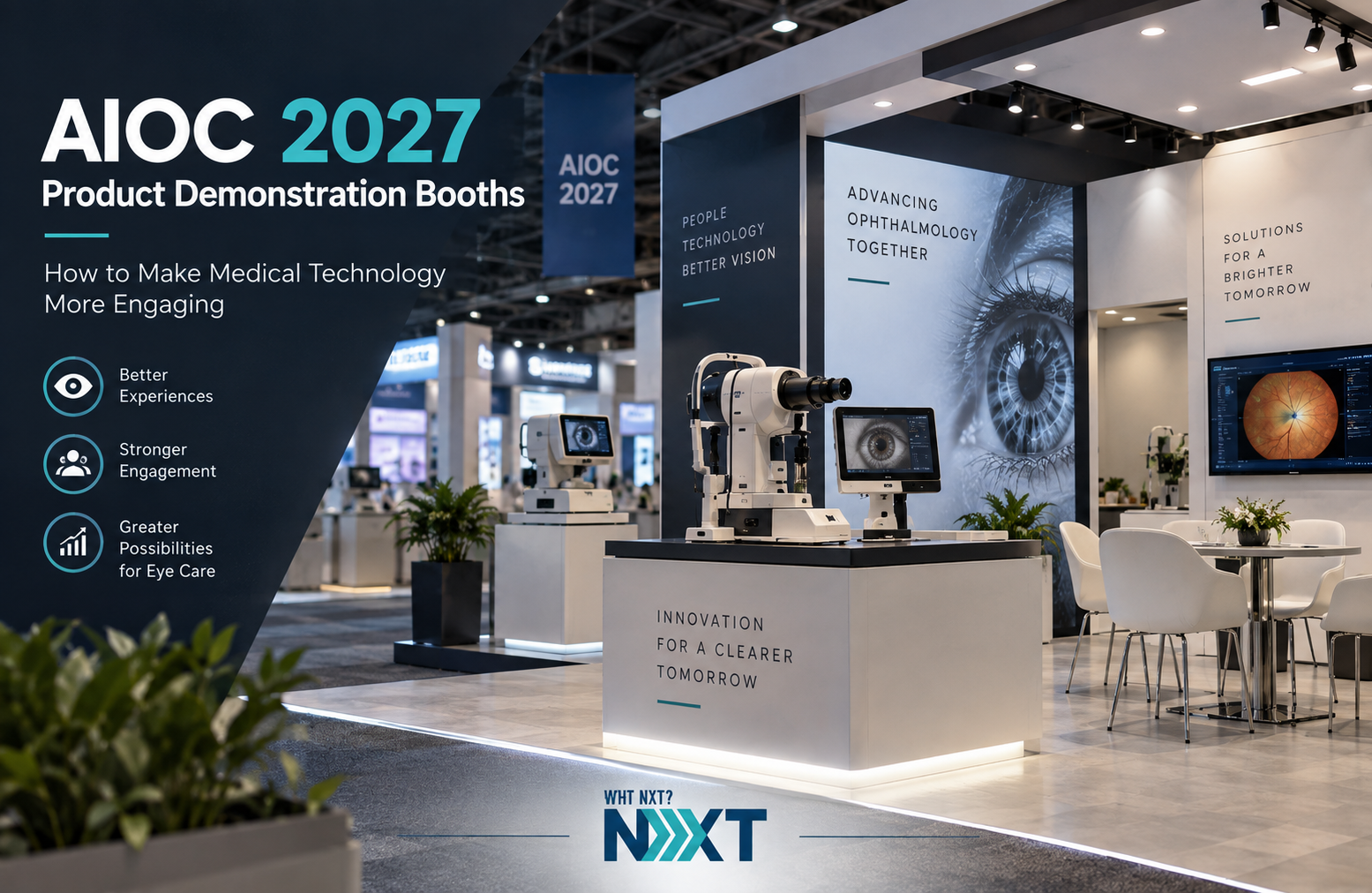
Now imagine walking past a booth and seeing a medical device actually being demonstrated. A specialist is explaining how it works, a screen is showing the technology in action, and visitors are stopping to ask questions. Instead of simply looking at a product, people have something to watch, understand and talk about.
That difference can have a big impact. For medical technology companies exhibiting at AIOC 2027, the challenge is not necessarily getting a product onto the exhibition floor. The real challenge is getting people to stop and understand why that product matters. A well-planned product demonstration can help bridge that gap.
Why a Live Demonstration Can Make a Difference
Medical technology is often difficult to communicate through conventional exhibition graphics. A product may have dozens of technical features, but most visitors are not going to stand in front of a wall and read every specification.
They want to know something much simpler: What does it do, and why should I care? A live demonstration can answer both questions quickly. When a visitor sees a device operating or watches a software platform being used, technical information starts to make more sense. Features that may sound complicated in a brochure become easier to understand when they are connected to an actual use case.
It also creates a natural reason for people to start a conversation. Instead of a staff member approaching someone with a standard sales pitch, the demonstration itself becomes the opening. A visitor can ask what they are seeing, how the technology works or where it can be used. That conversation can be far more valuable than simply handing someone a brochure.
Start With the Visitor, Not the Equipment
When planning a product demonstration booth, it is tempting to begin with the product. Where will the machine go? How large should the display be? Where can the screen be placed? But there is another question worth asking first: What will the visitor actually experience? Think about what happens from the moment someone notices the booth.
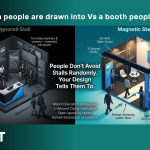
Can they immediately understand what the company does? Can they see the product from the aisle? If a demonstration is taking place, can people standing outside the booth see what is happening? Once they enter, do they know where to go? These small details can determine whether someone walks in or keeps moving.
The booth layout should make the demonstration feel like a natural part of the space. There should be enough room for people to gather without blocking the main walkway. The product should be visible without making the booth feel crowded. And after the demonstration, there should be somewhere comfortable for a more detailed discussion. A good stall design quietly guides people without making them think about where they should go next.
Show What the Product Actually Solves
One of the biggest mistakes exhibitors can make is focusing too heavily on what the product has instead of what the product does. Visitors may not remember ten technical specifications. They are much more likely to remember a problem they recognised and a solution they saw working in front of them.
Suppose a company is showcasing advanced ophthalmic technology. Instead of beginning with a long explanation of its technical capabilities, the demonstration could start with a common challenge and then show how the technology addresses it. That simple change can make the presentation much easier to follow. The same approach works for digital healthcare solutions. Rather than showing a complicated software dashboard and explaining every button, demonstrate one practical workflow. Show where the process begins, what the user does and what happens at the end. The goal is to make visitors think, “I can see how this could be useful.”
Give Visitors Something to Do
There is a reason interactive displays tend to attract attention at exhibitions. People naturally want to explore things for themselves. Where the product allows it, exhibitors can give visitors the opportunity to interact with the technology. They might explore a software interface, navigate a digital model, view different product configurations or experience a simulation.
The interaction does not need to be complicated. Even a small opportunity to participate can change the dynamic of a booth. The visitor is no longer simply listening to a presentation. They are involved in it. It also gives exhibition staff a better understanding of the visitor. The questions someone asks while interacting with the product can reveal much more than a quick exchange at the entrance.
Use Technology Where It Adds Value
Interactive screens, digital displays, 3D visualisations and simulations can all be useful in a medical technology booth. They can explain things that are difficult to show physically and help simplify complex concepts. For example, a digital animation could show how a particular system works internally. A touchscreen could allow visitors to explore different applications. A large display could support a live demonstration with additional visuals.
But there is a fine line between using technology effectively and simply filling the booth with screens. More screens do not automatically create more engagement. If every wall is moving, flashing or displaying information, visitors may not know where to look. Technology should have a job. If it helps explain the product, demonstrate an application or answer a question, it earns its place in the booth. If it is there simply because it looks impressive, it may end up distracting from the product itself.
Don't Make Visitors Work Too Hard
Medical exhibitions naturally involve technical information. But that does not mean the booth has to feel complicated. A visitor should be able to understand the basic message within a few seconds. What does the company offer? What is being demonstrated? Why is it relevant?
The deeper information can come later. Instead of covering every available surface with text, use the booth to communicate the key idea. Detailed specifications, brochures, videos and technical documents can be made available through QR codes or digital resources for visitors who want to explore further. This creates a better balance. People who are simply passing by can understand the basics, while genuinely interested visitors can access the detail they need.
The People Demonstrating the Product Matter Too
A beautifully designed booth can attract attention, but the people inside it determine what happens next. The person conducting a demonstration needs to know the product well, but product knowledge alone is not enough. They also need to know how to have a conversation. Not every visitor wants the same information. One person may be interested in technical details. Another may want to understand practical applications. Someone else may simply be curious about what the technology does. A good demonstrator knows when to explain, when to ask questions and, importantly, when to listen. That makes the interaction feel less like a sales presentation and more like a useful conversation.
What Exhibitors Should Avoid
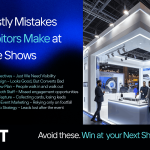
Sometimes, making a booth more engaging is less about adding things and more about removing the things that get in the way. Too much text, oversized graphics, complicated demonstrations and poorly positioned equipment can all make a booth harder to understand. If visitors have to wait several minutes before they understand what is happening, many will simply move on. The same applies to overly scripted presentations. A demonstration should have structure, but it should not feel like every visitor is being given exactly the same speech. People come to exhibitions with different questions. Leave enough room for the conversation to change
With exhibitors already looking ahead to AIOC 2027 dates, planning the exhibition stall early can make a significant difference. From completing AIOC registration to finalising the booth concept, graphics, product demonstration areas and fabrication requirements, there are several details that need to come together before the exhibition opens..
Bringing the Idea to Life With WHTNXT
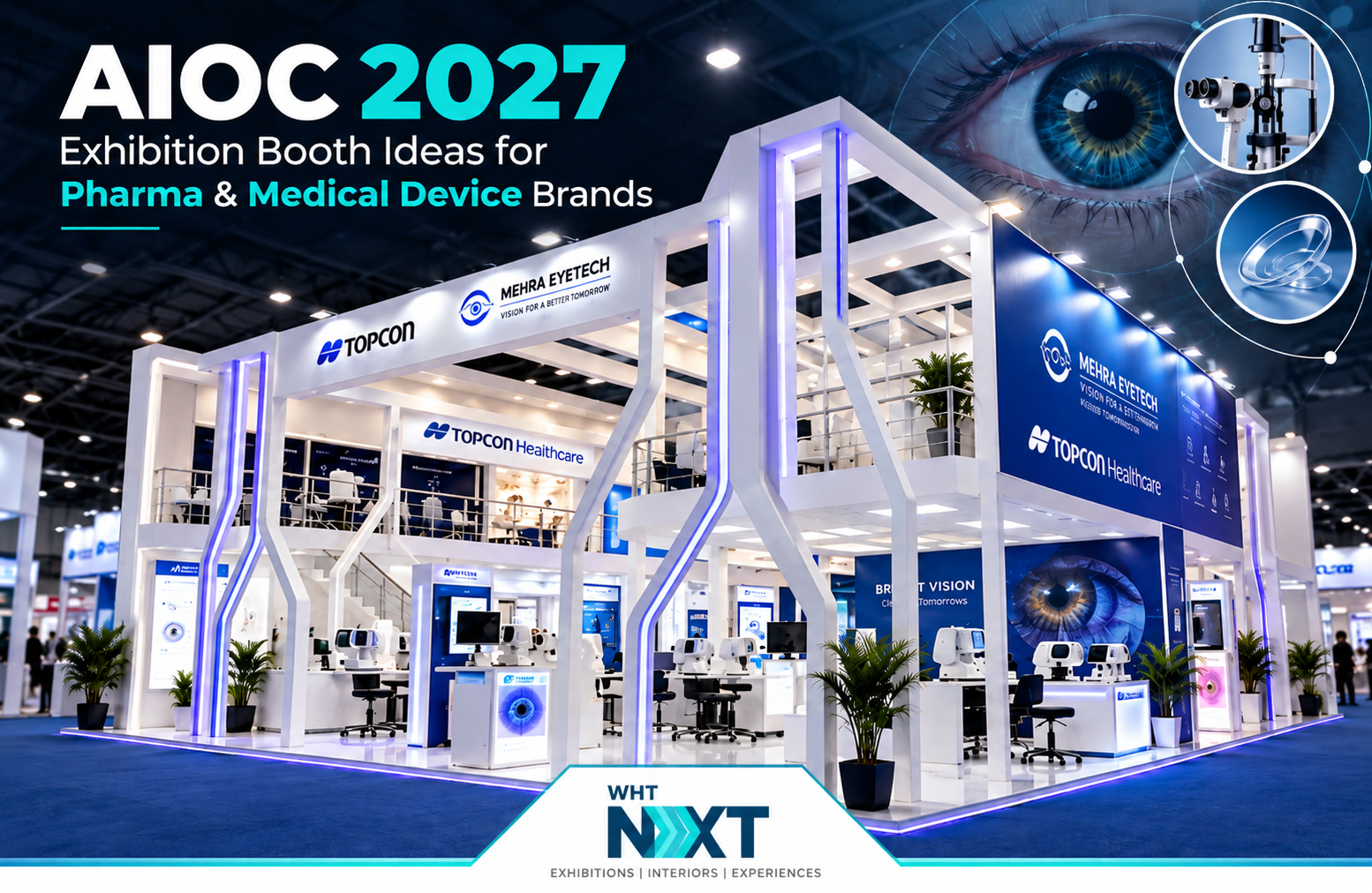
Choosing the right ophthalmology exhibition stall contractor is equally important. Medical technology booths often require more than an attractive structure. Equipment placement, demonstration zones, visitor movement, lighting, digital displays and meeting areas all need to work together.
For exhibitors preparing for AIOC 2027, WHTNXTcan help create exhibition spaces that bring products and technology to life. From booth concepts and spatial planning to product demonstration areas, digital integrations and visitor flow, the focus can remain on making the technology easier to understand and the booth easier to engage with.
Because ultimately, an exhibition booth is more than a structure built for a few days. It is where a potential customer sees your product for the first time, asks their first question and decides whether they want to know more.
At AIOC 2027, the most memorable product demonstrations may not necessarily be the biggest or most complicated ones. They will be the ones that make a visitor stop, understand something new and think, “I want to know more about this.”

एक टिप्पणी छोड़ें
आपका ईमेल पता प्रकाशित नहीं किया जाएगा। आवश्यक फ़ील्ड * से चिह्नित हैं